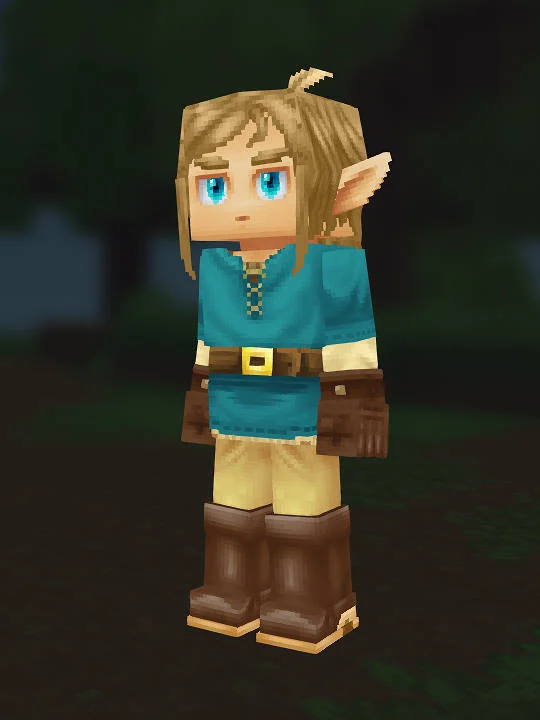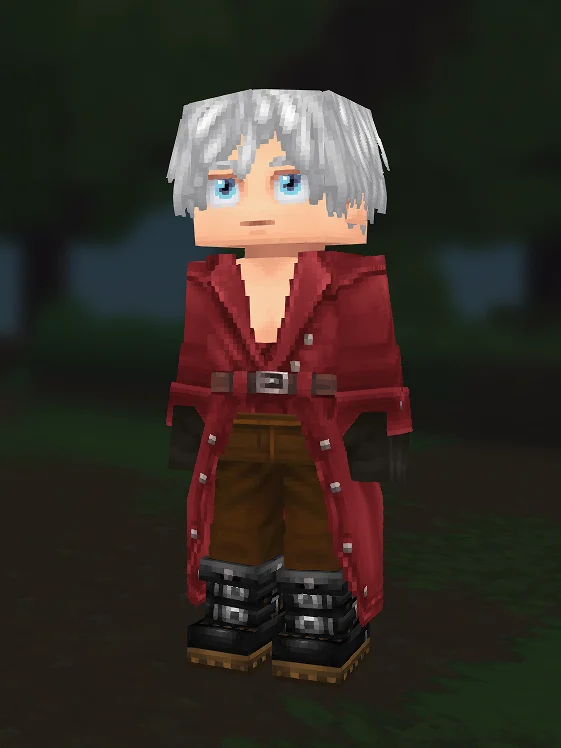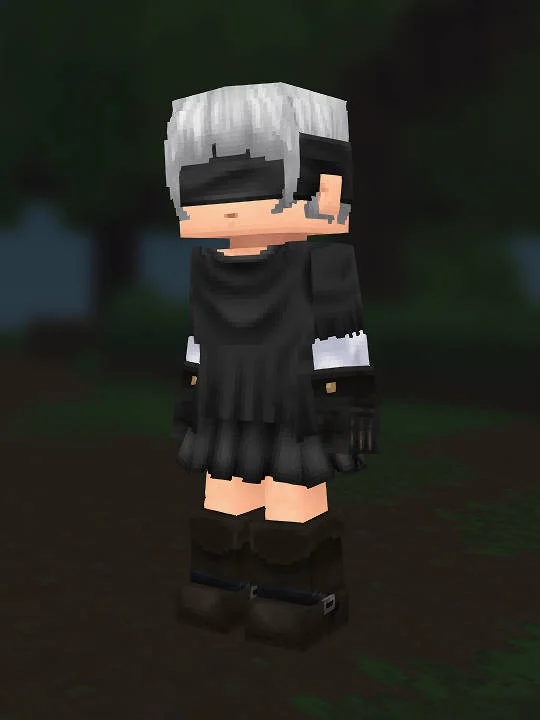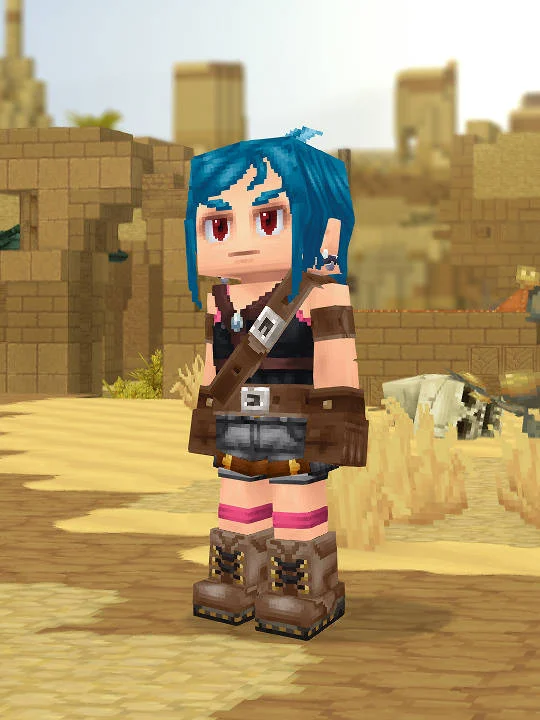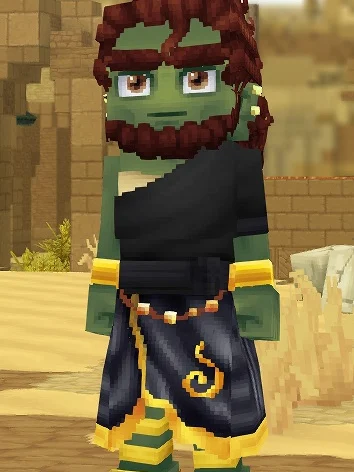
This Hytale skin recipe helps you recreate this character in the creator. Follow our step-by-step guide with exact settings for head, body, and outfit options. This build is based on The Legend of Zelda / Tears of the Kingdom / Adventure. Match the silhouette, core color palette, and standout accessories first, then refine the smaller details.
The live cover reads as Ganondorf through mass and color: Viking Warrior hair in BrownSemiDark, thick matching brows, a Chin Curtain beard, green skin read, Double Earrings, black Toga and Desert Dress layers, gold-red bracelets, yellow wraps, and yellow sandals. The page should treat him as a heavy royal villain, not a generic desert fighter.
The hair, beard, and brows carry a lot of the identity. If those are softened, the avatar loses the Ganondorf read even if the outfit stays dark. Keep the face broad, severe, and framed by warm red-brown hair. The earrings are small but useful because they push the design toward Gerudo king styling.
The black Toga and Desert Dress create the powerful central silhouette. Yellow wraps and gold-red bracelets add enough regal contrast without needing a crown. If the yellow becomes too bright, the build can look like a costume. If it is too muted, the body becomes a flat black robe.
This preset cannot reproduce a crown, weapon, glowing magic, exact Tears of the Kingdom jewelry, demon-king posture, or boss-scale size. Because of that, the visible Hytale recipe must protect the core stack: green skin read, red-brown hair and beard, heavy brows, earrings, black robe mass, and gold/yellow accents.
Ganondorf should feel large even on a small card. The head shape, beard, and dark body mass should be visible together. If the crop hides the lower body, the yellow wraps disappear and the page loses its regal color contrast. If it is too wide, the face detail disappears and the build becomes a generic green villain.
If your version reads too friendly, fix brows, beard, and mouth before changing clothes. If it reads too plain, restore the earrings and gold/yellow accents. If it reads too fantasy-priest instead of Ganondorf, make sure the warm hair and green skin read are still present.
Lock the warm hair, beard, and heavy brows first because the outfit cannot rescue a soft face. Then check the black robe mass and yellow/gold accents together. The earrings are worth preserving after the main shapes land, especially in close screenshots where they add royal detail without requiring an exact crown.
Ganondorf should not be cropped like a normal portrait. The page needs enough torso and lower-body mass to show why he reads as a villain king. Keep the green face, beard, black robe, and yellow wraps visible together. If a future cover hides the wraps, update the copy because the royal contrast will be weaker.
A classic Ocarina-era Ganondorf, a Tears of the Kingdom Demon King, or a Super Smash-style variant could each justify different armor and hair decisions. This page should remain the black-and-gold heavy villain version visible in the current cover.
Fan-made recreation inspired by The Legend of Zelda / Tears of the Kingdom / Adventure. Character names and source IP belong to their owners; this is not official Hytale content.
1 preview image support the silhouette, palette, face, outfit, and limitation review.
The recipe JSON is preserved for inspection as structured reference data, not as a game import or install file.
The steps below translate recipe tokens into the Hytale creator sections a player follows by hand.
The editor notes explain where Hytale needs approximations and which visual cues should survive first.
Last recorded content update: 2026/05/24. Treat this as the current review signal until a dedicated review-date field exists.
Create Ganondorf in Hytale with heavy red-brown hair, beard, green skin read, black toga layers, gold wraps, earrings, and villain-king notes.
Use the editor notes and screenshot evidence to judge where Hytale approximates the source. A page should not claim perfect likeness when the creator only supports a manual recreation path.
Treat major hair, palette, outfit, or source-version changes as variations. The strongest revisions explain what improved and which original identity cues still need to survive.
Tweaked the hair, palette, or outfit pieces to get closer to the reference? Submit your variation for editorial review.